Introduction
In a period where health emergencies can strike at any moment, the importance of immediate and effective feedback can not be overstated. Public defibrillators are essential in this regard, transforming areas into encouraged entities with the ability of conserving lives. Envision observing a person collapse from unexpected cardiac arrest (SCA); knowing exactly how to utilize a public defibrillator could imply the distinction between life and fatality. This article will dig deep into the globe of public defibrillator use, discovering its significance, methods, and just how areas can collaborate to enhance survival prices throughout crucial moments.
Public Defibrillator Usage: Empowering Neighborhoods to Conserve Lives
Public defibrillators are devices developed to deliver an electric shock to the heart throughout lethal situations, like SCA. The access of these devices in public areas such as parks, shopping centers, and airport terminals has a profound impact on survival prices. Quick access to a defibrillator can increase and even triple an individual's possibility of survival when they experience heart attack. This section will explore exactly how empowering communities with understanding concerning public defibrillator use can change spectators right into lifesavers.
Understanding Abrupt Heart Arrest
Sudden cardiac arrest is a sudden loss of heart feature, causing cessation of blood flow to important organs. It can occur without caution and is typically fatal if not treated instantly.
Signs and Symptoms of Sudden Heart Arrest
- Loss of Consciousness: The individual might suddenly break down or end up being unresponsive. Absence of Breathing: An absence of typical breathing shows immediate action is required. No Pulse: Checking responsiveness and pulse is important for establishing the next steps.
The Role of Defibrillators in Emergency Situation Response
Defibrillators work as vital tools in emergency situation clinical action by restoring typical heart rhythms during SCA episodes.
Types of Defibrillators
Automated External Defibrillators (AEDs): Made for use by laypeople; these tools supply voice prompts for step-by-step instructions. Manual Defibrillators: Used by skilled experts needing advanced training.Basic vs Advanced Life Support
Understanding the distinction in between basic life support (BLS) and progressed life support (ALS) is essential when discussing public defibrillator usage.
Basic Life Support (BLS)
BLS includes cpr training melbourne necessary methods such as:
- Chest compressions Rescue breaths Use of AEDs
Advanced Life Assistance (ALS)
ALS encompasses extra advanced treatments carried out by healthcare experts, including:

- Administration of medications Advanced airway management
Checking Responsiveness: The First Step in CPR
Upon experiencing someone who shows up unresponsive, checking responsiveness is paramount.
How to Examine Responsiveness
Gently drink the person and shout loudly. Assess for any type of motion or verbal response. If there's no response, call emergency services immediately.Hospital Codes and Protocols Throughout Cardiac Emergencies
Hospitals follow details codes when replying to cardiac emergency situations that guide healthcare specialists on how to act quickly and effectively.
Common Hospital Codes
- Code Blue: Shows a grown-up patient requiring resuscitation. Code Pink: Pertains particularly to pediatric emergencies.
Identifying No Breathing: Trick Indicators
Determining whether a casualty is taking a breath can significantly influence subsequent activities taken.
Indicators of No Breathing
- Absence of chest increase Lack of distinct breath sounds Unresponsiveness when trying rescue breaths
Taking Switches on Compressions: Relevance in CPR
Performing premium upper body compressions is crucial during CPR; rotating people assists maintain efficiency over time.
Best Practices for Taking Switches On Compressions
Ensure compressions are constant without interruption. Switch duties every 2 minutes or after 5 cycles (30 compressions complied with by 2 breaths). Maintain calmness; exhaustion results in lower compression deepness which compromises effectiveness.Lower Compression Depth vs Appropriate Technique
Effective CPR needs preserving adequate compression depth; too superficial compressions lower blood flow efficacy.
Optimal Compression Depth
For adults:
- At the very least 2 inches (5 cm)
For children:
- About 1/3 the deepness of the chest
Slow Compression Price and Its Implications
A sluggish compression price can hinder blood circulation during CPR, making it crucial for rescuers to stick purely to recommended guidelines.
Recommended Compression Rate
At least 100-- 120 compressions per min is thought about ideal for preserving flow during heart attack situations.
Maintaining Calmness During Emergencies
It's very easy to worry in high-pressure circumstances however maintaining calmness can drastically enhance end results when making use of a public defibrillator.
Tips for Staying Calm
- Focus on your training; recall previous BLS certification courses. Take deep breaths before approaching a casualty. Utilize AED's voice guidance if unpredictable about procedures.
Checking Casualty's Breathing After Initial Assessment
After validating unresponsiveness, examining the casualty's breathing again post-compressions deals understanding right into their condition prior to releasing an AED.
How To Re-check Breathing:
Place your ear near the victim's mouth while considering their chest. Listen for breath sounds while watching for breast movement.The Impact of Community Training Programs on Survival Rates
Communities furnished with training programs significantly enhance survival prices from SCA occurrences with prevalent recognition and preparedness efforts aimed at educating citizens regarding emergency action protocols consisting of public defibrillator usage.
Benefits Include:
- Increased preparedness amongst citizens Decreased time up until first shock delivery Higher general community strength in the direction of emergencies
Getting BLS Certification: A Lifesaving Decision
Acquiring Basic Life Support qualification encourages people with important abilities required throughout emergencies entailing cardiac arrest scenarios where public defibrillator usage might be necessary.
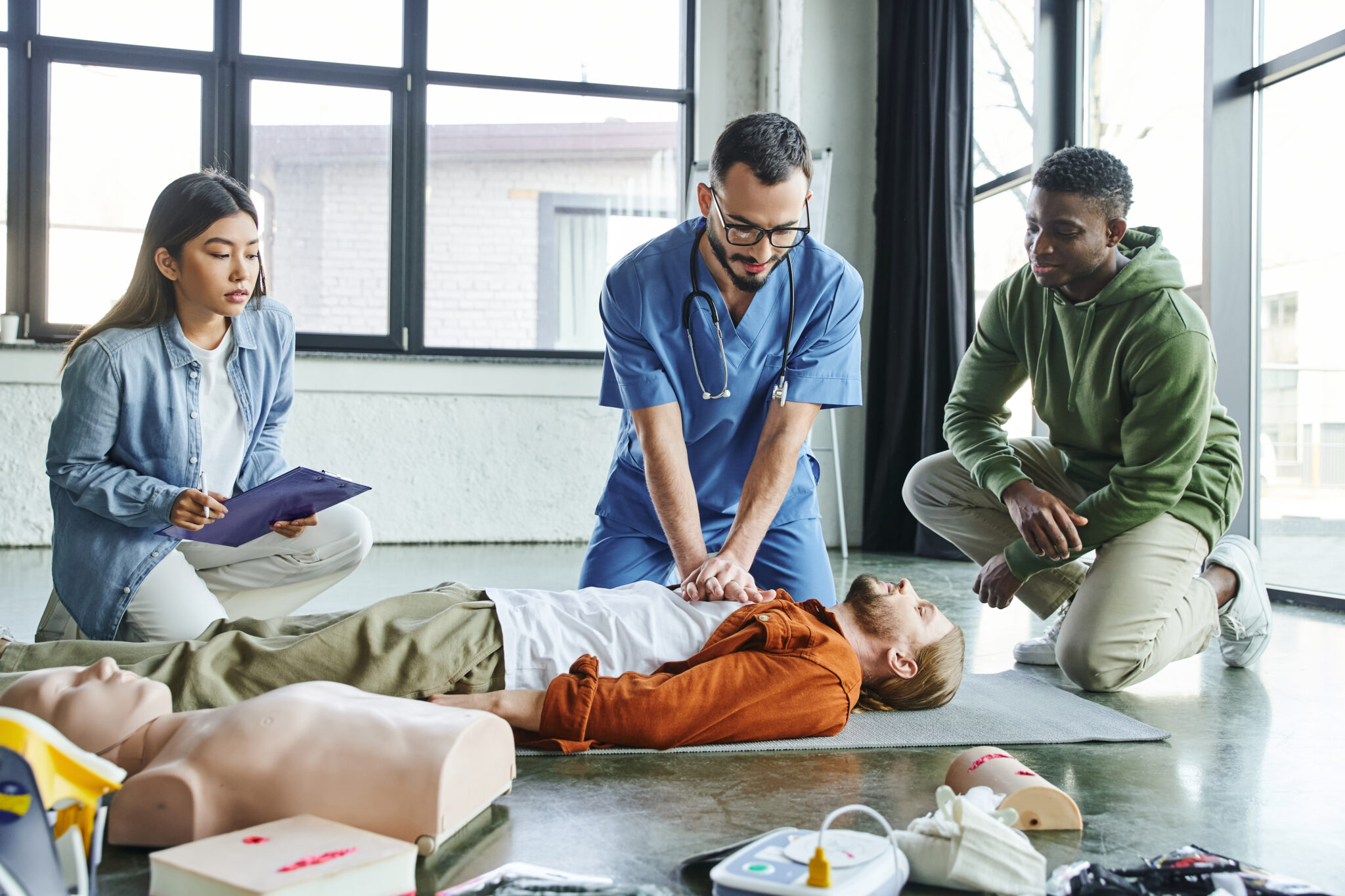
Steps To Acquire BLS Accreditation:
Enroll in an accredited program with companies like the American Heart Organization or Red Cross. Complete both theoretical knowing components and hands-on method sessions. Pass written tests together with useful assessments showing expertise in mouth-to-mouth resuscitation strategies consisting of AED application skills!Public Understanding Campaigns on Defibrillator Locations
Most individuals continue to be unaware that numerous public locations have easily accessible defibrillators offered close by! Enhancing awareness around their places promotes timely treatment cpr course melbourne throughout crises-- possibly saving lives!
Strategies Include:
Mapping out all community-defib websites through local government websites or apps! Conducting mobile workshops showcasing right usage techniques together with hands-on method possibilities! 3 Involving neighborhood organizations & & colleges with partnerships motivating cooperation in the direction of boosting local safety and security measures!FAQs Regarding Public Defibrillator Usage
What is a public defibrillator?- A public defibrillator refers specifically to Automated External Defibrillators (AEDs) located within simple access points throughout area settings meant mostly for usage by laymans educated appropriately through curricula like BLS certification!
- Turn it ON complying with verbal motivates provided! Connect pads according instructions supplied while ensuring every person stands clear! Press shock switch only once prompted accordingly guaranteeing rhythm reconstruction takes place successfully after that returning to typical BLS strategies till emergency situation solutions arrive!
- While training isn't legally needed-- comprehending basic functions improves confidence allowing quick application under discomfort therefore enhancing potential positive result percents dramatically!
- Yes! Any individual qualified enough should feel empowered recognizing help shows up immediately awaits them! Familiarity acquired via area training courses boosts total preparedness significantly!
5 What occurs if I make a mistake while utilizing a public defib?
- No obligation exists bordering unintentional shocks administered improperly given that these gadgets monitor heartbeat rhythm autonomously stopping unintentional harm occurring accidentally-- it's much better safe than sorry!
6 How commonly need to we examine our regional AEDs' functionality?

- Regular regular monthly checks guarantee batteries stay charged operating correctly while pads stay within expiration days-- this positive method guarantees preparedness whenever required most critically!
Conclusion
In conclusion, encouraging communities through understanding about public defibrillator use is not simply helpful-- it's crucial! By understanding how these devices function along with basic life support methods like examining responsiveness or determining no breathing scenarios-- we equip ourselves prepared take fee among dire situations possibly conserving lives right outside our doors day-to-day circumstances unfold daily! With enhanced recognition comes greater possibilities survival-- the moment invest discovering issues immeasurably towards producing much safer atmospheres cultivating hope bring back confidence humanity bravely facing obstacles with each other jointly united purpose-driven missions!